softening into your luteal phase
(a mini guide)
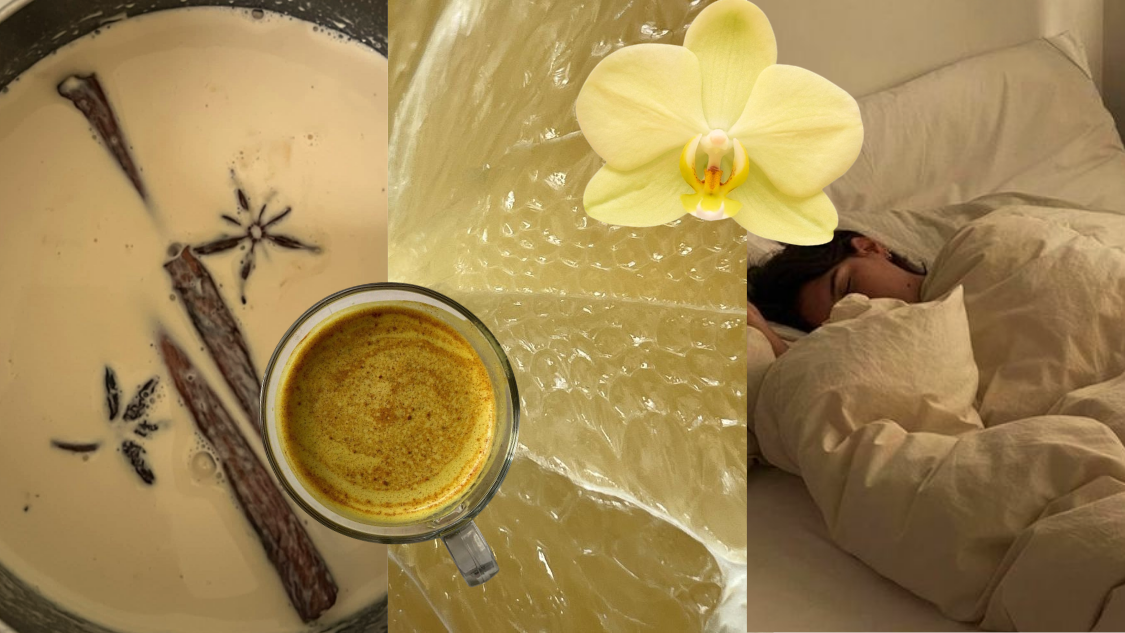
PSA: your luteal phase is not the enemy. Contrary to what the collective makes it seem like, it’s not meant to feel like two weeks of rage and depression.
Cravings, cramps, or mood swings aren’t a mandatory thing… they’re often just a signal that your hormones are out of balance. Yes, our bodies can be a bit more sensitive during this time, but it’s really their way of asking us to move more gently.
This phase sits between your hormonal peak (ovulation) and your monthly reset back to zero (menstrual). It’s a space to that asks you take your foot off the gas and slow your pace down.
The luteal phase is your inner autumn. A time to wrap things up, turn inward, and prepare for the winter ahead.
Download my free mini guide to learn what to eat, how to move, and how to support your body through each phase of your cycle.
Get the Free Guide →
what’s happening hormonally
There’s a key hormone rising in this phase and her name is progesterone.
Whether you’ve become pregnant or not, the body signals progesterone to rise as it begins to build a uterine lining. And you actually want this rise to happen–it’s the hormone that soothes your body, steadies your mood, and helps you feel grounded.
But when stress is high or estrogen is dominant, progesterone can’t do her thing… that’s when sensitivity, bloating, and PMS show up.
The good news? Though these symptoms are common, you have the power to prevent them.

foods to prioritize
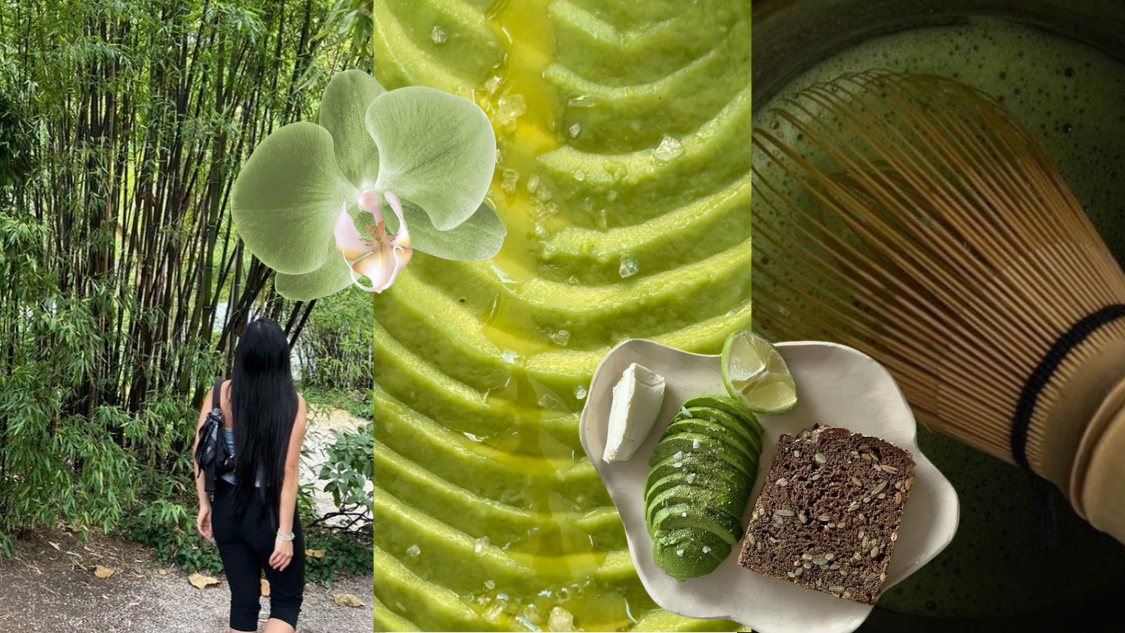
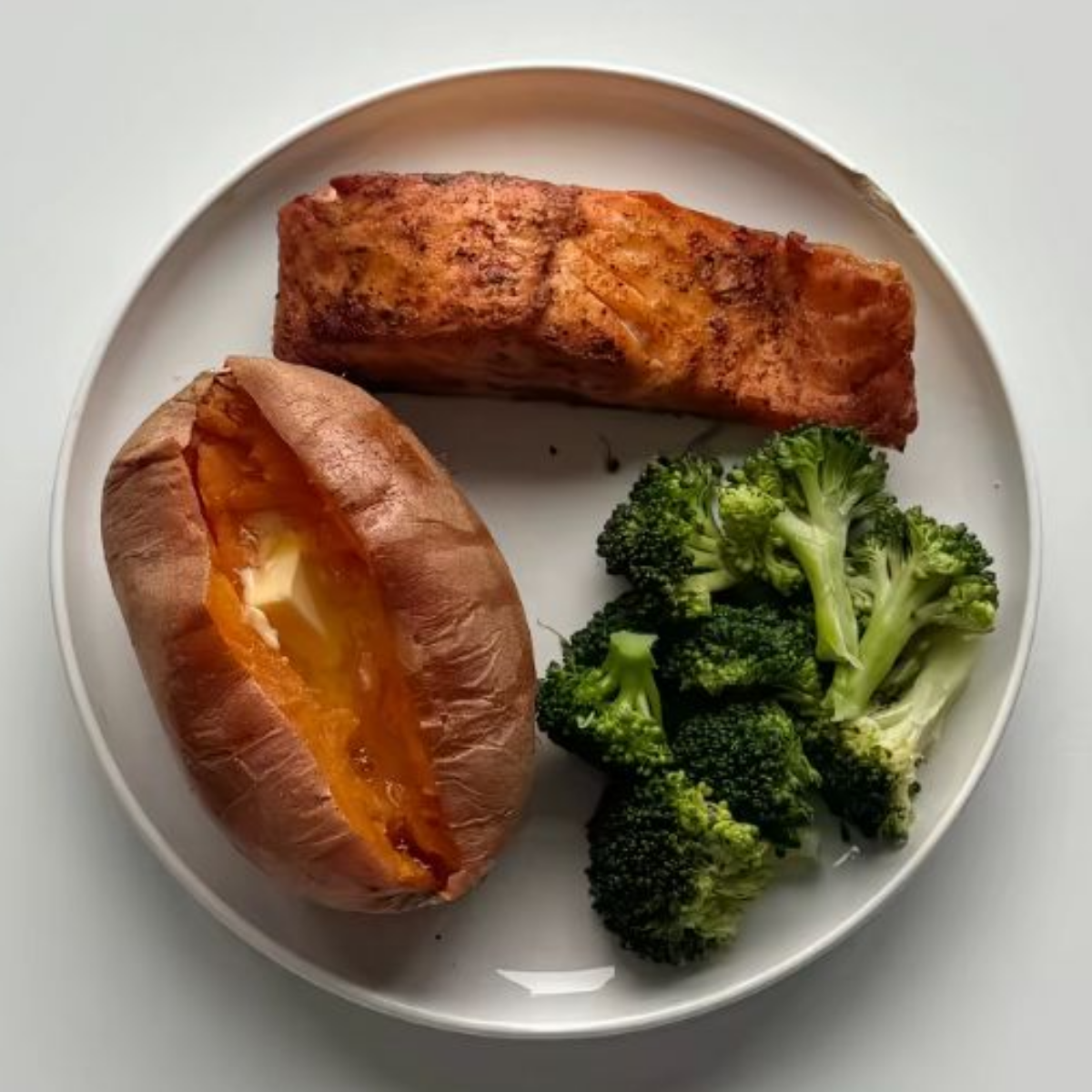
Your metabolism slightly rises here: your body needs more fuel, and progesterone depends on steady carbs to thrive. Focus on warming, mineral-rich meals that keep blood sugar stable.
slow-burning carbs – Helps progesterone production and keeps blood sugar stable. (sweet potatoes, quinoa, oats, bananas)
magnesium – Calms the nervous system and eases stress.
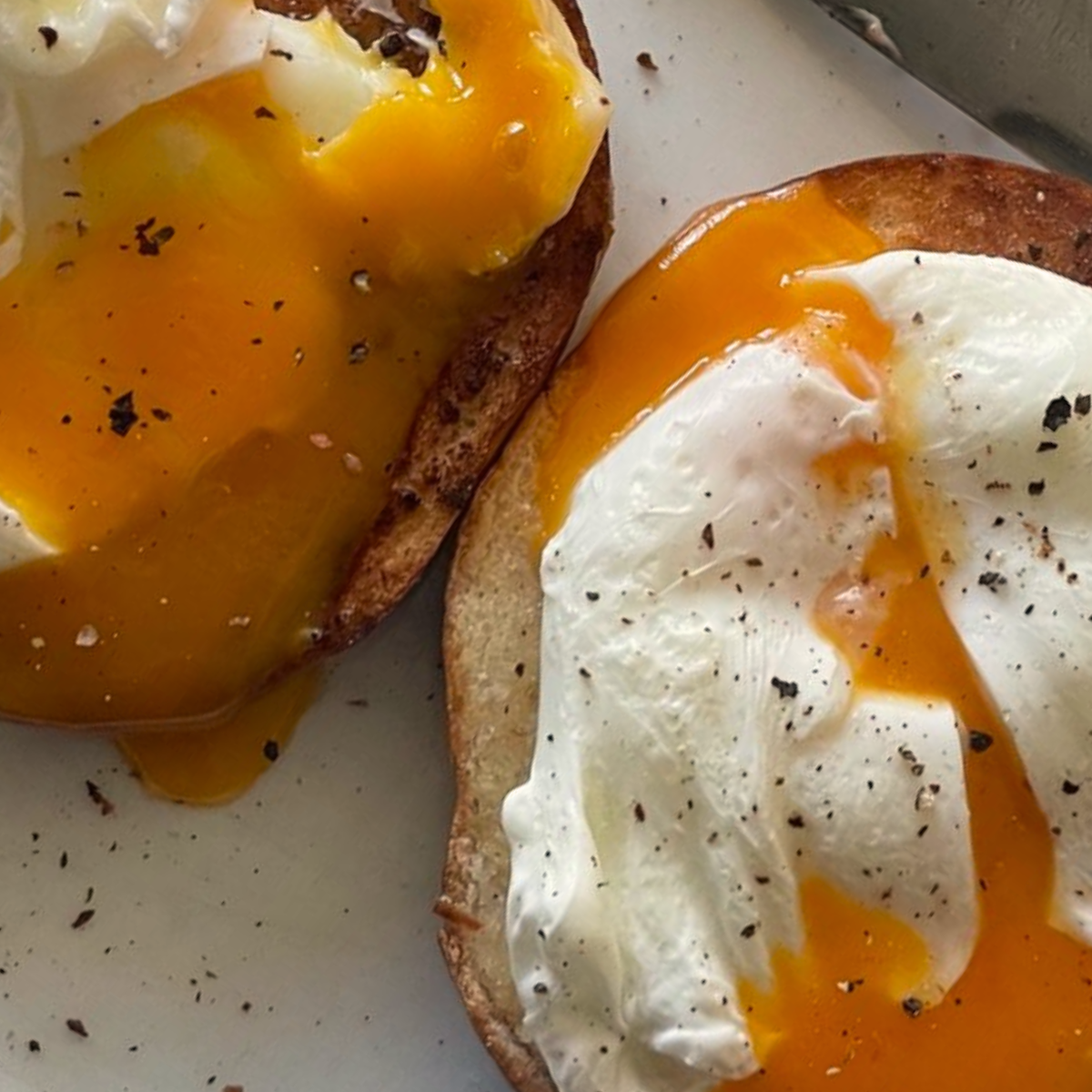
dark chocolate, leafy greensvitamin d3 – Reduces prostaglandins. (the compounds behind painful cramps)
fatty fish, egg yolkspotassium – Keeps you hydrated and helps with bloating.
coconut water, bananas, avocadoprotein (collagen + glycine) – Supports uterine lining growth and repair.
bone broth, collagen powder, chicken
blood sugar balance
Because your body is less insulin-sensitive during this phase, keeping blood sugar stable is everything.
pair every carb with protein and healthy fat.
eat small meals every 3–4 hours. (snack plates are perffff)
choose relaxing activities that help regulate stress.
also, lay off caffeine if your PMS is bad (sorry to the matcha girlies)
Cravings will be at an all-time high, so instead of aiming for perfection, use simple workarounds:
sip 1 cup of filtered water with 2 tsp apple cider vinegar alongside high-carb meals. (helps reduce blood sugar spikes)
pair sweets or high carb food with fiber, fats or protein (ex: have dark chocolate with a natural jerky, or fruit w/yogurt)
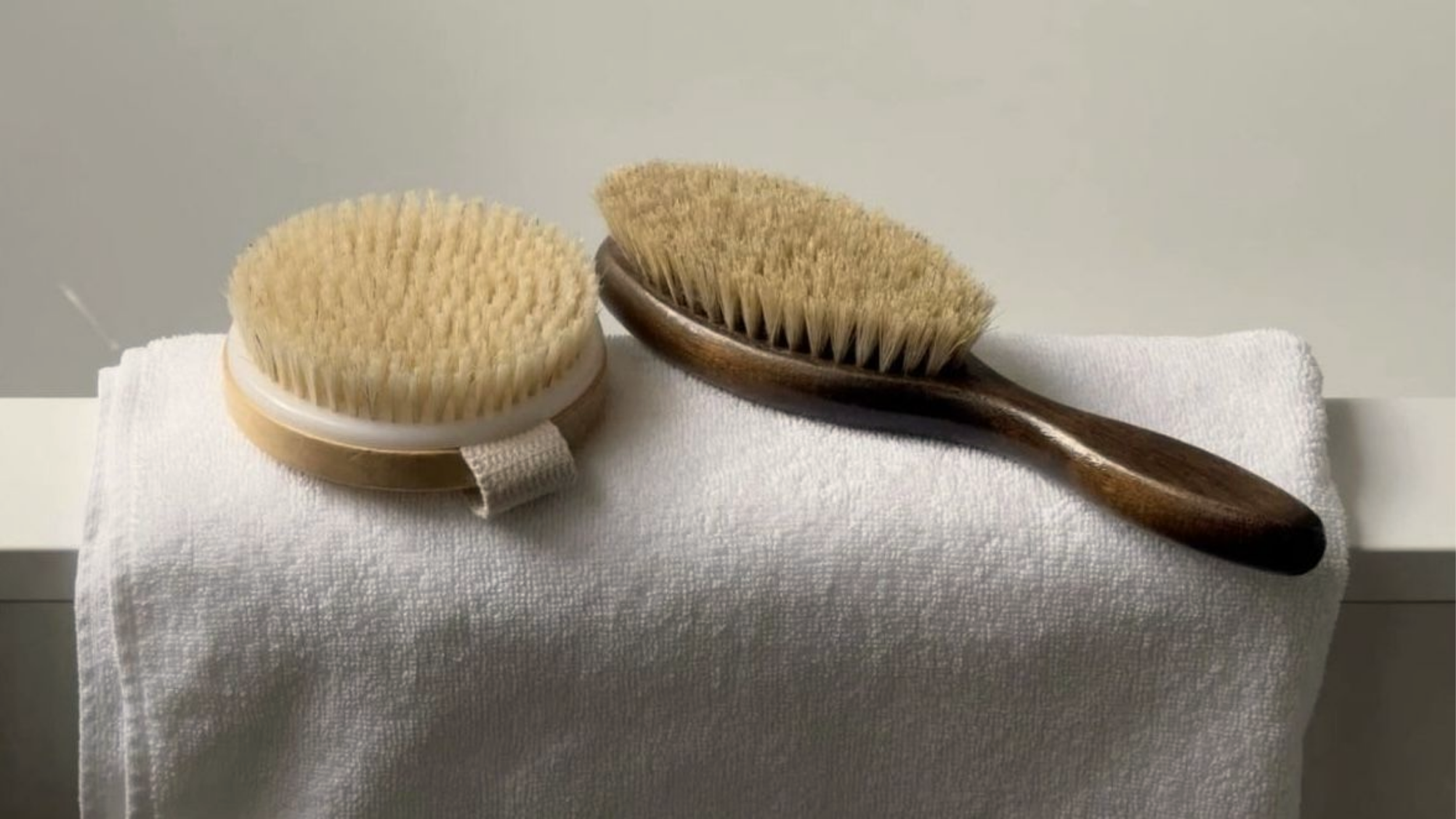
embodying this in the physical world
Slow down and support yourself like your own personal assistant.
What can you organize or prepare now so that your upcoming menstrual phase is relaxing, restful and prepared for?
Some ideas:
Make your home a sanctuary: deep clean, organize, and declutter
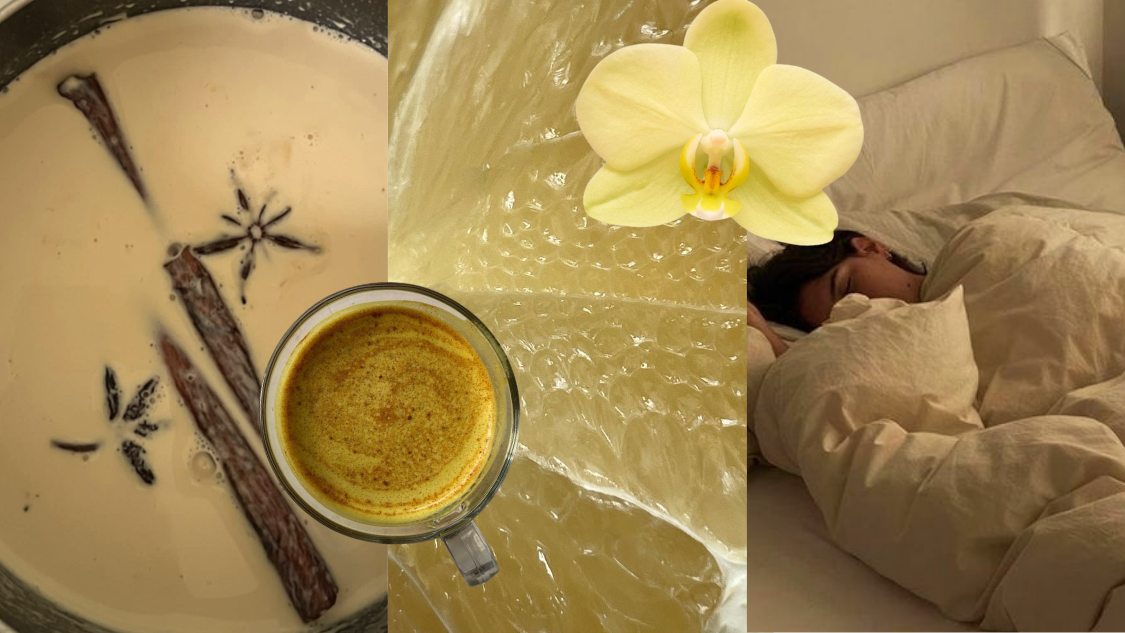
Make sure your sleep hygiene routine is u: deep rest is vital during this time so turn screens off early, stretch, diffuse essential oils (set the vibes!!)
Finish tasks before your energy fully dips: wrap up work projects, finish that to-do list, do any prep-work needed for your menstrual week
working with your inner energy
If there’s anytime to choose yourself unapologetically, it’s during your luteal phase.
Put your self care front and center: So say no when needed, and plan your day out ahead of time to avoid unnecessary stress. (ex. avoid extra tasks at work, staying up late, skipping meals)
Tend to anything unresolved: journal and meditate on any feelings of uneasiness. Your emotions might feel heightened now; let them guide you instead of resisting them. This is where intuition deepens.
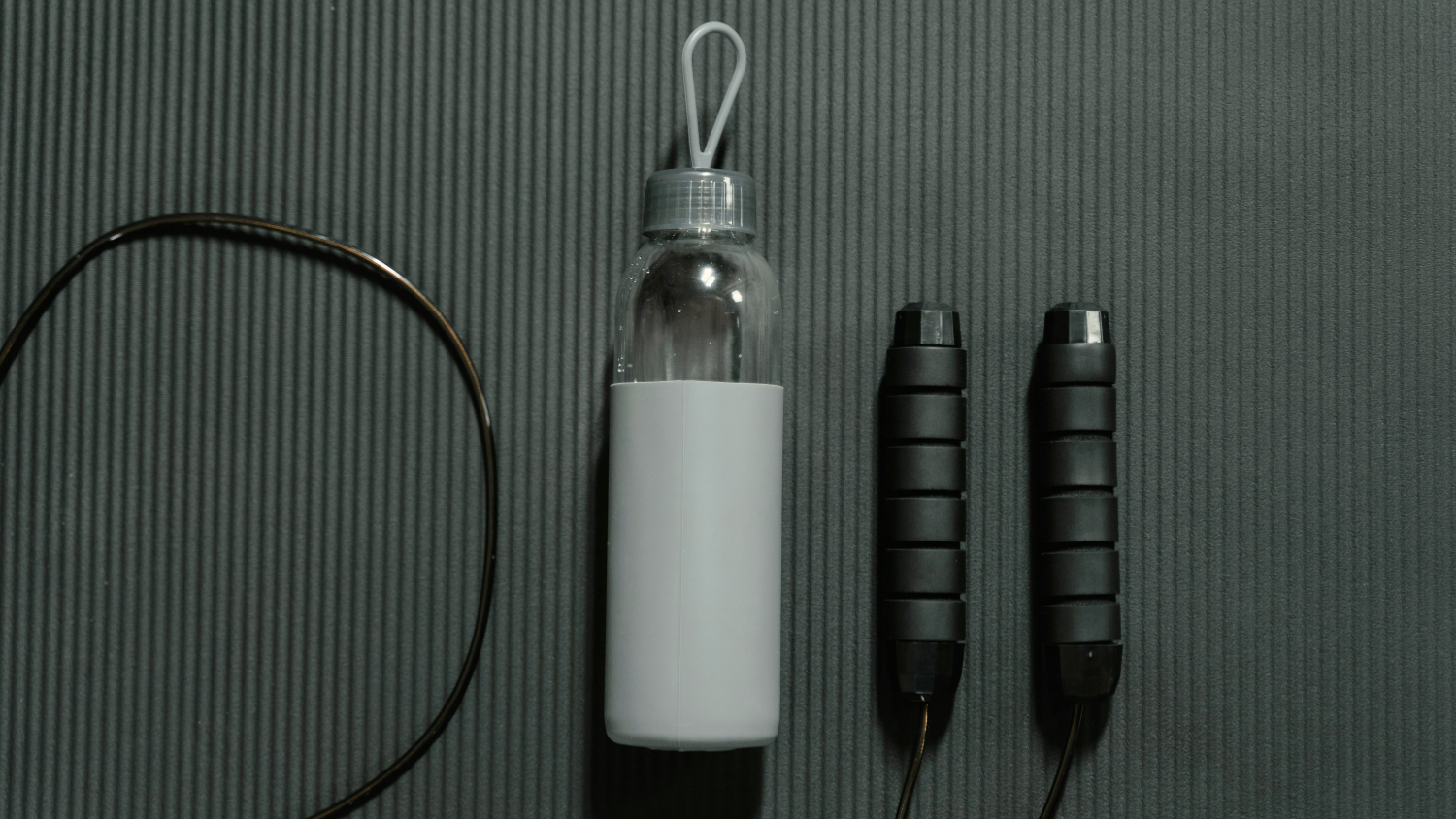
working out
First things first, your luteal phase is not the time to go beast mode–but it’s also not an excuse to bedrot.
When exercising, the most vital thing to remember is that cortisol competes with progesterone production. This means high levels of stress will signal your body in the wrong direction and begin to create imbalances. So these are one of the key phases where we can’t be training like men.
Focus on that sweet spot of feeling a steady sweat and gentle burn. This means still putting in but being FAR from the feeling of burning out or pushing past your limit.
You want your workout to be productive and stimulating, not the reason your cortisol spikes and stores more body fat.
If that’s not enough of a reason, estrogen (hormone that aids in healing muscle damage) is low in your body at this time, so any harsh muscle impact from lifting will take longer to recover from (in other words, you will be sore AF!)
Key tips to takeaway:
swap HIIT (high intensity interval training) for LISS (low intensity steady state) you’ll burn more fat and actually feel rejuvenated, not wiped out
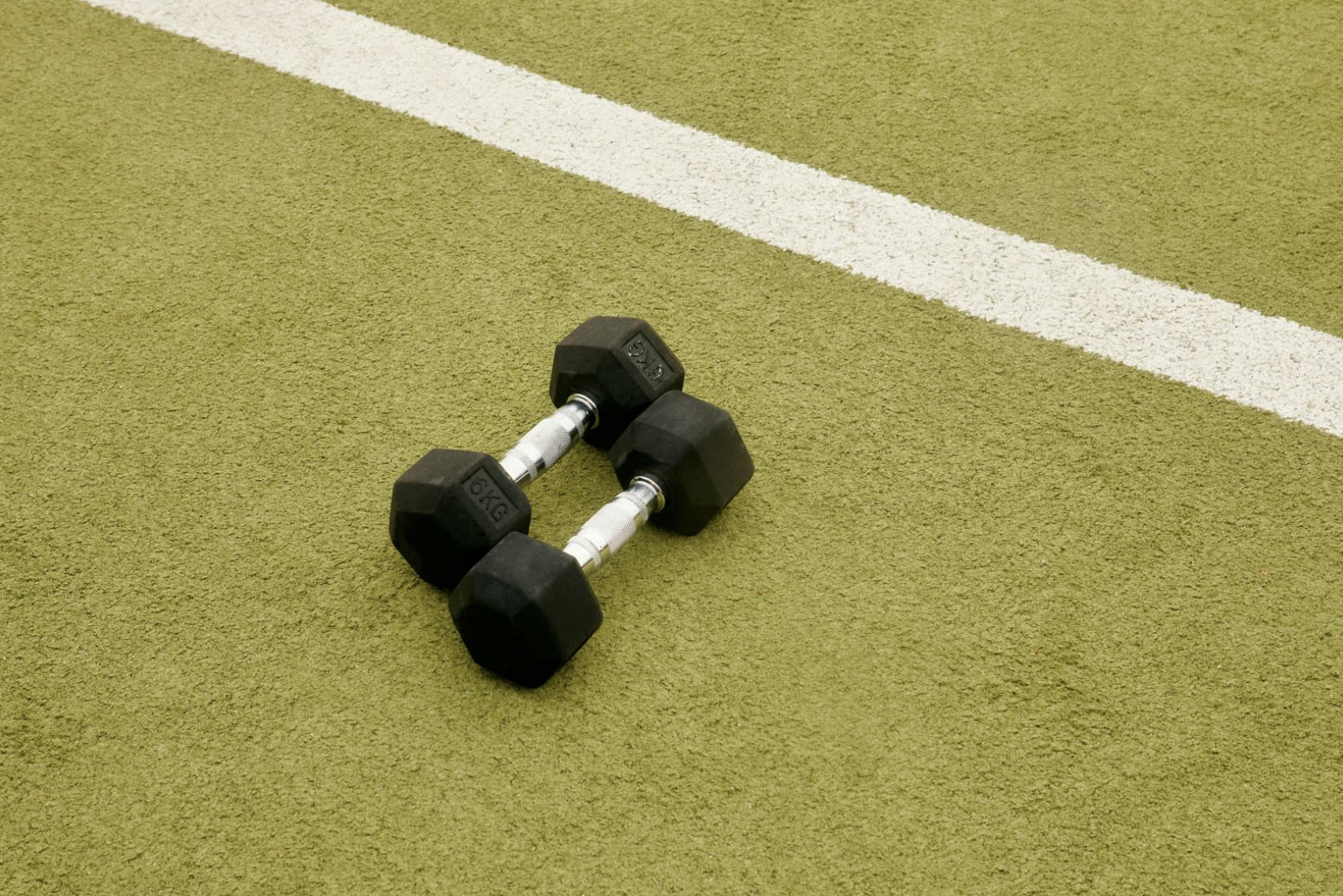
strength train, but keep intensity low-medium by using moderate weights and higher reps
take extra rest days when needed + sleep early like it’s your job 🥱☁️
last thought:
Remember, discipline as a woman doesn’t mean consistently pushing yourself hard.
It means consistently making the decisions that align best with your body.
During a time where your rhythm begins to slow down, learn to follow it’s pace. You’ll find a smoother luteal phase and a deeper connection to your body.
xo,
Bhielle